Understanding Cement's Role in Indoor Pool Humidity Management
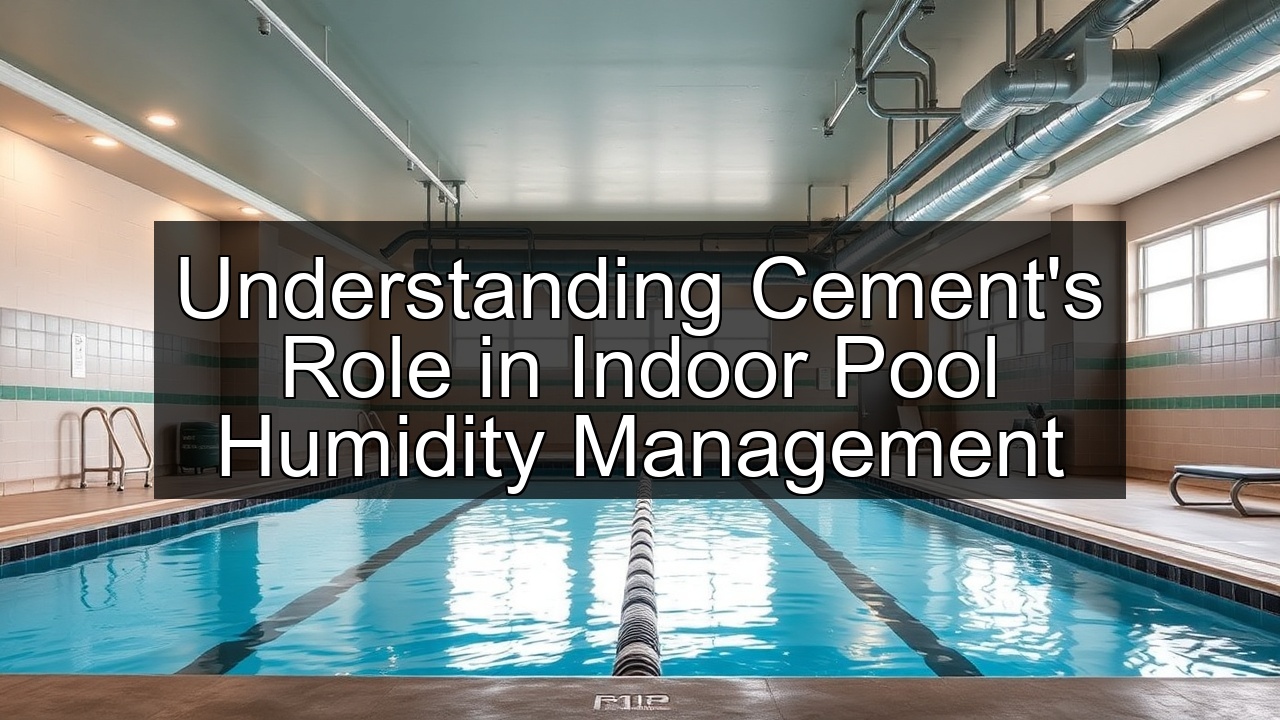
The Importance of Humidity Management in Indoor Pools
Understanding Relative Humidity in Natatoriums
Managing humidity in indoor pools, or natatoriums, plays a crucial role in maintaining a comfortable environment. Relative humidity (RH) measures the amount of moisture in the air compared to the maximum amount it can hold at a given temperature. Ideally, RH levels in indoor pools should range between 50% and 60%. High humidity can lead to condensation, mold growth, and damage to building commercial swimming pool dehumidifiers materials, whereas low humidity can cause discomfort for swimmers and lead to excessive evaporation from the pool. Understanding these dynamics is essential for facility managers, especially best swimming pool dehumidifiers in places like YMCA or community centers where large numbers of users frequent the space.
The Role of Cement in Humidity Control
Cement serves as a fundamental material in the construction of indoor pools, significantly influencing humidity control. Its porous nature allows it to absorb moisture, acting as a buffer against humidity fluctuations. When the air becomes too humid, cement can absorb excess moisture, reducing condensation on surfaces. Conversely, when humidity levels drop, cement can release moisture back into the air, helping to maintain a balanced indoor climate. This dual function helps mitigate the effects of high humidity, making cement a valuable asset in natatoriums. Properly formulated cement with additives can enhance its moisture resistance, further improving the effectiveness of humidity management strategies.
ASHRAE Guidelines for Indoor Pool Environments
The American Society of Heating, Refrigerating and Air-Conditioning Engineers (ASHRAE) offers guidelines that are critical for humidity management in indoor pools. These standards provide detailed recommendations regarding air temperature, humidity levels, and ventilation rates essential for optimal indoor air quality. Following ASHRAE guidelines ensures that indoor pools maintain safe and comfortable environments for swimmers. Compliance with these guidelines also helps prevent structural damage due to moisture, extending the lifespan of the facility. Facility managers should regularly review ASHRAE's updated recommendations to ensure their natatoriums meet the latest standards for humidity control and overall climate management.
Technologies for Dehumidification in Indoor Pools
Overview of Dehumidifier Technologies
Dehumidification best swimming pool dehumidifiers technologies are vital for maintaining optimal humidity levels in indoor pools. Various systems exist, each offering unique benefits and challenges. Common types of dehumidifiers include desiccant and refrigerant models, and selecting the right one depends on the specific needs of the facility. Desiccant dehumidifiers use silica gel or other absorbent materials to capture moisture from the air, making them highly effective in environments with high humidity levels. Refrigerant dehumidifiers, on the other hand, cool the air to condense moisture, offering efficiency in moderate climates. Understanding the capabilities and limitations of each type can help facility managers implement effective moisture control solutions for their swimming pools.
Desiccant vs. Refrigerant Dehumidifiers
Desiccant and refrigerant dehumidifiers serve different purposes, and choosing the right one is crucial for effective humidity management. Desiccant dehumidifiers excel in low-temperature and high-humidity environments, making them suitable for natatoriums where temperatures remain constant. They typically require less energy than refrigerant models, providing an energy-saving solution in the long run. Refrigerant dehumidifiers, however, work best in warmer indoor environments. They are generally less expensive to purchase and maintain but may struggle in conditions of extreme humidity. Evaluating the specific conditions of your indoor pool helps determine which technology will deliver the best results for humidity control.
Energy-Efficient Solutions: Heat Pumps and Dryers
Heat pumps and dryers represent innovative solutions for humidity control in indoor pools. Heat pumps work by transferring heat from the air or water to maintain a comfortable temperature while also dehumidifying the environment. They are energy-efficient, making them an attractive option for pool operators focused on reducing operational costs. Dryers, particularly heavy-duty models, can effectively remove excess moisture in conjunction with dehumidifiers, creating a comprehensive humidity management system. Combining these technologies ensures that indoor pools remain comfortable for swimmers while maintaining energy efficiency. Investing in these advanced systems can lead to significant savings and improved user experience.
Troubleshooting Common Humidity Challenges
Identifying Humidity Issues in Indoor Pools
Identifying humidity issues in indoor pools requires careful observation and assessment. Common signs include condensation on windows, walls, and surfaces, as well as complaints from swimmers about discomfort. If humidity levels exceed recommended thresholds, it can lead to structural problems, including mold growth and damage to the pool's infrastructure. Regular monitoring of humidity levels using hygrometers can help facility managers detect issues early. Understanding the symptoms of excessive humidity enables timely intervention, ensuring a safe and pleasant environment for all users of the natatorium.
CFM and Its Impact on Humidity Control
Cubic Feet per Minute (CFM) plays a critical role in humidity management in indoor pools. CFM measures the volume of air circulated in a space, directly influencing the efficiency of dehumidification systems. Higher CFM ratings mean more air is processed, leading to better humidity control. Facility managers should assess the CFM requirements based on the pool's size, occupancy, and environmental conditions. Ensuring that dehumidifiers and ventilation systems operate at optimal CFM levels helps maintain relative humidity within the desired range, enhancing overall comfort and air quality.
Expert Tips for Effective Humidity Troubleshooting
Expert troubleshooting tips can enhance humidity management efforts in indoor pools. First, conduct regular inspections of ventilation systems and dehumidifiers to ensure they function correctly. Cleaning filters and checking for blockages can significantly improve performance. Additionally, consider installing automatic humidity sensors that adjust ventilation based on real-time conditions. These smart systems optimize energy usage while maintaining ideal humidity levels. Facility managers should also engage with HVAC professionals to evaluate and refine their humidity control strategies continuously. Implementing these expert insights can lead to a more effective and efficient humidity management approach.
Choosing the Right Dehumidifier for Your Pool
Evaluating Commercial vs. Residential Solutions
Selecting the right dehumidifier involves evaluating whether a commercial or residential model is needed. Commercial dehumidifiers are designed to handle larger volumes of moisture and can operate continuously in high-demand environments like YMCA facilities. They often come with enhanced features and higher CFM ratings, making them suitable for large indoor pools. Residential dehumidifiers, while less powerful, can work well in smaller, private indoor pools. Understanding the specific requirements of the pool environment is essential to ensure optimal performance and energy efficiency in humidity control.
Best Practices for Selecting Swimming Pool Dehumidifiers
Best practices for selecting swimming pool dehumidifiers include assessing the pool's size, occupancy, best swimming pool dehumidifiers and specific humidity challenges. Calculate the required CFM and ensure that the dehumidifier can handle peak moisture loads. Evaluate energy efficiency ratings, as more efficient models can lead to lower operating costs. Look for features such as built-in humidity controls and automatic adjustments, which enhance convenience and effectiveness. Before purchasing, read reviews and consult with experts to identify models that have proven successful in similar environments. This thorough approach ensures that facility managers choose the most suitable swimming pool dehumidifier for their needs.
Top Brands and Technologies: NexGen and Beyond
Some brands stand out in the swimming pool dehumidifier market, including NexGen, known for its innovative technology and energy-saving solutions. NexGen dehumidifiers feature advanced controls, efficient designs, and robust performance, making them a popular choice for both commercial and residential applications. Other reputable brands include Dri-Eaz and Munters, which offer a range of models designed to meet the demands of natatoriums. Researching different technologies and comparing features can help facility managers select the best dehumidifiers for their indoor pools. Investing in quality equipment pays off in enhanced performance and long-term durability.