The Benefits of Using a Welding Electrode Oven for TIG Welding
Understanding Welding Electrode Ovens
What is a Welding Electrode Oven?
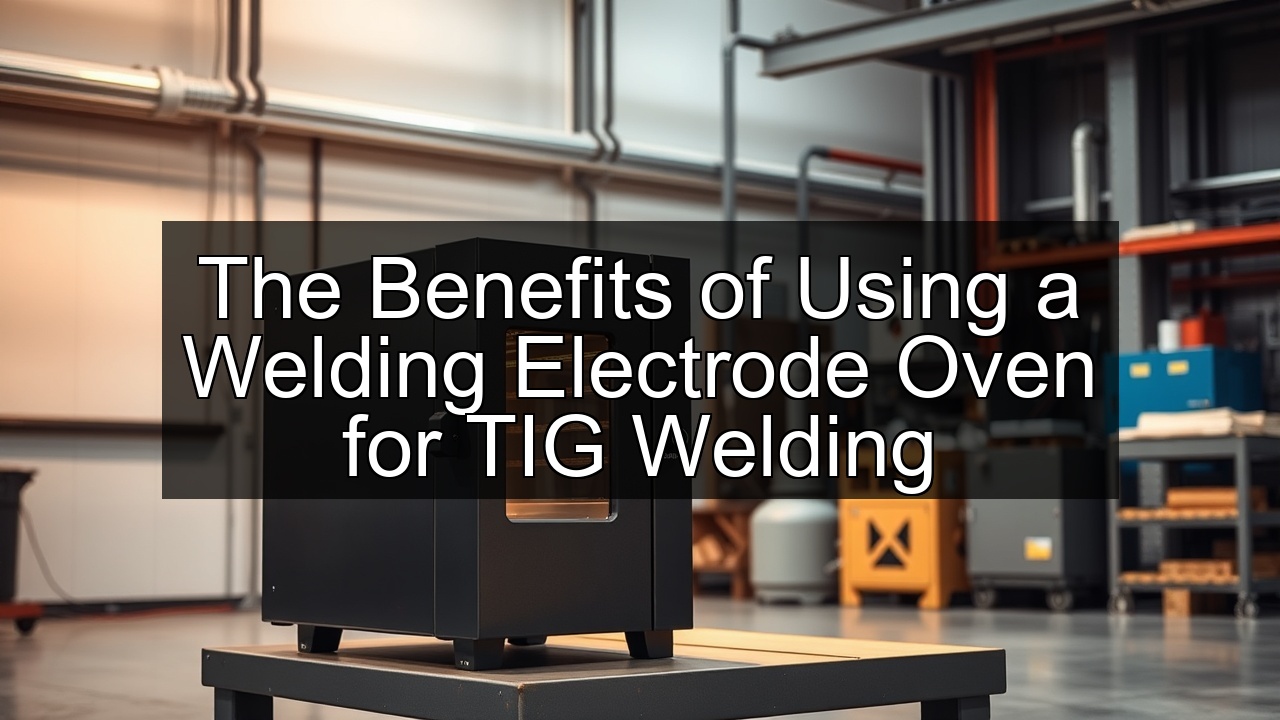
A welding electrode oven is an essential tool for professionals in the welding industry, particularly for those specializing in TIG (Tungsten Inert Gas) welding. This specialized oven is designed to store and maintain welding electrodes at optimal temperatures, preventing moisture absorption that can negatively impact the quality of welds. By employing controlled heating, a welding electrode oven preserves the integrity of electrodes, ensuring they deliver superior performance when in use. Manufacturers like Lincoln Electric produce high-quality ovens that cater to various needs, offering solutions that enhance the welding experience for both novice and experienced welders.
The importance of a welding electrode oven cannot be overstated in environments where precision and reliability are critical. The design of these ovens typically features insulation to maintain consistent temperatures and minimize energy loss, ensuring that the electrodes are maintained in optimal condition for extended periods. This is especially vital in regions with high humidity or during wet seasons, where the risk of moisture-related defects in welds is significantly heightened.
How Welding Electrode Ovens Work
Welding electrode ovens operate by utilizing a heating element to maintain a consistent temperature within the chamber. This heating element activates when the oven is powered on, allowing it to reach the desired temperature range, typically between 250°F and 300°F. The controlled environment inside the oven effectively removes moisture from the electrodes, which is crucial because moisture can cause porosity in welds and lead to weaker joints. Some welding electrode ovens come equipped with adjustable temperature settings, allowing users to select the ideal heating level based on the specific type of flux used in the electrodes. This level of control and precision is vital for achieving high-quality welds and prolonging the lifespan of welding accessories.
In addition to standard heating features, advanced models may incorporate digital displays that allow users to monitor the internal temperature and humidity levels. Some ovens even offer programmable settings, enabling welders to pre-set their preferred conditions for different types of electrodes, enhancing the versatility and efficiency of the welding process. This technology-driven approach helps ensure that welders are always equipped with the best possible materials for their tasks.
Key Benefits of Using a Welding Electrode Oven
Enhanced Weld Quality
The primary benefit of using a welding electrode oven lies in the significant improvement in weld quality. When electrodes remain moisture-free, they perform better during the welding process. Moisture can lead to hydrogen porosity, which creates defects in the weld and compromises strength. By utilizing a welding electrode oven, welders can ensure that the flux coating on electrodes remains dry, allowing for cleaner arcs and smoother welds. This enhanced quality is particularly important in industries where the integrity of welds is paramount, such as aerospace and automotive manufacturing. Customers investing in a welding electrode oven consistently report superior results, making it a valuable asset in any welding operation.
Furthermore, the ability to maintain optimal electrode conditions reduces the likelihood of defects, which can lead to costly rework or scrapped materials. In high-stakes projects where safety is a concern, such as in construction or shipbuilding, the use of a welding electrode oven is not just an investment in quality but also in safety and reliability.
Increased Productivity
Productivity in welding environments directly correlates with the efficiency of tools and processes in use. A welding electrode oven enables welders to work faster and more effectively by ensuring that electrodes are always ready for use. Without the need to dry electrodes manually or deal with the complications of moisture-laden materials, welders save valuable time. This efficiency translates into higher output rates and the ability to tackle more projects within tight deadlines. In addition, when welders produce high-quality welds consistently, they minimize the need for rework, further enhancing productivity. Investing in a welding electrode oven can lead to significant long-term gains in both workflow and profitability.
Moreover, the predictability provided by a welding electrode oven allows for better planning and scheduling of projects. With dependable weld quality and faster turnaround times, businesses can enhance their reputation for reliability, which is vital for securing future contracts and maintaining client trust.
Longer Electrode Lifespan
Welding electrodes represent a significant investment for any welding operation. Using a welding electrode oven extends the lifespan of these electrodes by preventing moisture damage and ensuring that they remain in optimal condition. When electrodes absorb moisture, their effectiveness declines, which can lead to frequent replacements and increased costs. By maintaining a controlled environment for storage, welders can preserve their electrodes for longer periods, maximizing their investment.
This longevity ensures that welders can consistently rely on their materials, reducing downtime and enhancing overall operational efficiency. Ultimately, a welding electrode oven offers not only immediate benefits but also long-term savings. Additionally, the financial implications of reduced electrode waste and replacement costs can contribute to a more sustainable operation, aligning with modern industry practices focused on minimizing waste and environmental impact.
Choosing the Right Welding Electrode Oven
Top Brands in the Market
Selecting the right welding electrode oven involves considering reputable brands that have established a track record of quality and reliability. Lincoln Electric stands out as a leader in the welding industry, offering a range of products including efficient welding electrode ovens. Other notable brands include Miller Electric and ESAB, each providing unique features tailored to different welding needs. Customers should evaluate their specific requirements, such as the types of electrodes used and the volume of work, before making a decision. Researching user reviews and expert opinions can also provide valuable insights into the performance and durability of various models, ensuring that welders choose an oven that aligns with their workflow.
It is also worthwhile to consider the availability of customer support and warranty options offered by these manufacturers. Reliable customer service can be invaluable in addressing any issues that may arise during the oven's operation, ensuring that your investment remains protected.
Factors to Consider Before Purchase
Before investing in a welding electrode oven, several factors warrant careful consideration. First, the capacity of the oven plays a crucial role. For instance, a 450lb capacity oven is ideal for larger operations, while smaller shops may find more compact models sufficient. Additionally, temperature control features are vital; opt for ovens with adjustable settings to accommodate different types of electrodes and flux compositions. Energy efficiency can also impact operating costs, so look for models that offer optimal performance without excessive energy consumption.
Finally, consider the build quality and warranty options, as these aspects ensure long-term reliability and peace of mind. Look for ovens constructed from durable materials resistant to wear and tear, as this can influence the overall lifespan of the equipment. Additionally, features such as portability and ease of use can also play significant roles in enhancing operational efficiency, particularly in mobile welding applications.
Comparing Capacities: 450lb vs Other Options
The capacity of a welding electrode oven directly influences its suitability for various welding operations. A 450lb capacity oven is particularly advantageous for large-scale welding shops that require quick access to a significant volume of electrodes. This capacity allows for the storage of multiple electrode types simultaneously, streamlining workflows and reducing downtime. Smaller welding operations may consider ovens with lower capacities, which are often more compact and cost-effective. Regardless of size, choosing the right oven capacity ensures that the specific needs of the welding operation are met, contributing to both efficiency and quality in welding projects.
When comparing capacities, it’s also important to consider the frequency of electrode use and the types of projects undertaken. For businesses that handle a variety of welding tasks, an oven with a larger capacity may provide the versatility needed to adapt to changing project requirements while maintaining consistent quality.
Maintaining Your Welding Electrode Oven for Optimal Performance
Routine Maintenance Tips
Regular maintenance of a welding electrode oven is essential for ensuring optimal performance and longevity. Begin with routine cleaning; dust and debris can accumulate inside the oven, potentially affecting its heating efficiency. Use a soft cloth to wipe down the interior surfaces and inspect the heating element for any signs of wear. Periodically check the temperature calibration to ensure accurate readings, as incorrect temperatures can compromise electrode quality. Additionally, maintain the exterior of the oven, ensuring that it remains free from rust and corrosion. Following the manufacturer's maintenance guidelines will help extend the life of the oven and maintain consistent performance.
In addition to regular cleaning, it's beneficial to create a maintenance schedule that includes periodic inspections of electrical components and connections. This proactive approach can help identify potential issues early, preventing costly repairs or downtime.
Common Issues and Troubleshooting
Welding electrode ovens may encounter issues that can disrupt their performance. Common problems include inaccurate temperature readings, which can stem from faulty thermostats or heating elements. To troubleshoot this, check the oven’s calibration and replace any malfunctioning parts as needed. Another issue may involve inconsistent heating, which could be due to blockages or dirt affecting airflow. Regular inspections can help identify these problems early. If the oven fails to power on, verify that the power source is functioning correctly and check the circuit breaker. Understanding common issues can help welders quickly resolve problems and maintain productivity.
Additionally, consider documenting any maintenance or troubleshooting activities to track patterns over time. This information can be valuable for both improving maintenance strategies and communicating with customer support if professional assistance is needed.
Storage Best Practices for Welding Accessories
Proper storage practices for welding accessories, including electrodes, significantly impact their performance. When not in use, store electrodes in the welding electrode oven to ensure they remain dry and ready for action. Avoid leaving electrodes exposed to moisture or extreme temperature fluctuations, as these conditions can degrade their quality. For additional protection, consider using sealed containers within the oven for specific types of flux-coated electrodes. This practice not only preserves the integrity of the electrodes but also contributes to a more organized workspace. Implementing these storage best practices will enhance welding efficiency and ensure that materials remain in optimal condition for future projects.
Furthermore, labeling storage containers can help streamline the process of selecting electrodes for specific tasks, reducing the time spent searching for the right materials and enhancing welding electrode drying oven overall efficiency in the welding operation.