How Green Bay is Setting Standards in the Global Plastic Manufacturing Sector
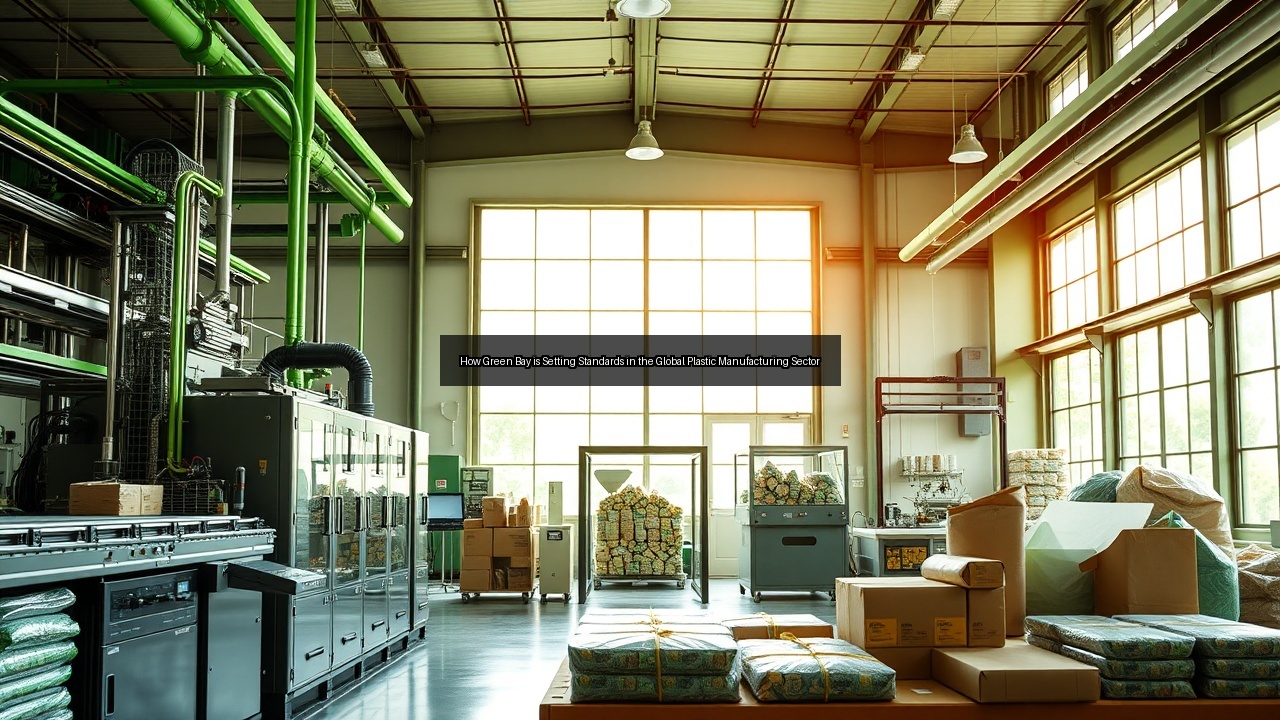
Green Bay's Leadership in Sustainable Plastic Manufacturing
Innovative Practices in Plastic Recycling
Green Bay plastic companies have emerged as pioneers in the realm of sustainable plastic manufacturing, particularly through innovative practices in plastic recycling. These manufacturers prioritize the use of recycled materials, transforming waste into valuable resources. They implement advanced recycling technologies that allow for the effective processing of various types of plastics, including polyethylene, which is commonly used in packaging. By employing methods such as chemical recycling, Green Bay manufacturers can break down plastics into their fundamental components, enabling the creation of new products without the need for virgin materials. This not only conserves energy but also significantly reduces the carbon footprint associated with plastic production.
Moreover, local companies engage in closed-loop systems, where recycled plastic is makers reintroduced into the production cycle, minimizing waste and enhancing resource efficiency. These innovative recycling practices position Green Bay as a leader in the global plastic manufacturing sector, setting an example for other regions to follow. The commitment to recycling helps mitigate the environmental impact of plastics, ensuring a cleaner, more sustainable future while meeting the rising demand for eco-friendly products. This focus on sustainability resonates with consumers increasingly concerned about plastic waste, ultimately driving market growth for Green Bay plastic products.
The Role of Green Bay Manufacturers in Sustainable Packaging Solutions
Green Bay plastic manufacturers play a critical role in developing sustainable packaging solutions that address the urgent need for environmentally friendly alternatives. Many companies in the area have shifted their focus to creating packaging that not only protects products but also minimizes environmental impact. They utilize biodegradable and compostable materials, alongside traditional plastics, to craft innovative packaging solutions that cater to diverse industries.
The collaboration between manufacturers and local businesses fosters a culture of sustainability. For instance, companies work together to create packaging that is both functional and recyclable, ensuring that end-users can easily dispose of materials responsibly. Furthermore, the integration of sustainable practices extends beyond production; companies also engage in educating consumers about proper recycling techniques. By promoting the recyclability of their products, they encourage responsible consumption and waste management practices.
Evidence of successful sustainable packaging initiatives in Green Bay is evident in several high-profile projects. Local manufacturers have partnered with retailers to develop packaging that reduces plastic use while maintaining product integrity. These innovations not only meet consumer demand for sustainability but also position Green Bay companies as leaders in the responsible manufacturing movement. As a result, Green Bay sets a benchmark for sustainable packaging that other regions aspire to achieve.
Evidence of Sustainability in Plastic Product Packaging
Green Bay's commitment to sustainability is evident in the product packaging produced by local manufacturers. With a focus on reducing plastic waste, companies have embraced transparent practices that highlight the recyclability of their packaging materials. This transparency builds consumer trust and encourages responsible disposal habits. By utilizing labels and symbols indicating recyclability, Green Bay plastic products empower consumers to make eco-friendly choices.
Additionally, manufacturers are increasingly opting for post-consumer recycled (PCR) materials in their packaging designs. This choice not only conserves resources but also supports the recycling industry by creating a market for recycled materials. The use of PCR in product packaging reflects a broader trend within the industry, where sustainability becomes a priority rather than an afterthought.
Furthermore, research conducted in Green Bay has shown a significant reduction in the environmental impact of packaging materials over recent years. Manufacturers invest in lifecycle assessments to measure the sustainability of their products, ensuring continuous improvement in their processes. This dedication to evidence-based sustainability practices positions Green Bay manufacturers at the forefront of the plastic industry, proving that sustainable packaging is not just a trend but a viable path forward.
Technological Advancements Shaping the Industry
AI in Plastic Manufacturing: Enhancing Efficiency and Reducing Waste
The integration of artificial intelligence (AI) in Green Bay's plastic manufacturing processes has revolutionized efficiency and waste reduction. AI technologies enable manufacturers to analyze data in real-time, optimizing production schedules and inventory management. By predicting demand patterns, companies can adjust their output accordingly, minimizing excess production and reducing material waste.
Moreover, AI-driven quality control systems enhance product consistency and reduce defects. These systems employ machine learning algorithms to detect anomalies during the manufacturing process, ensuring that only high-quality products reach consumers. This not only boosts customer satisfaction but also decreases the environmental impact associated with defective products that may end up in landfills. green bay plastics
Green Bay plastic companies also leverage AI for predictive maintenance of machinery. By monitoring equipment performance, manufacturers can anticipate failures and conduct timely maintenance, preventing costly downtimes and maximizing operational efficiency. The result is a streamlined production process that emphasizes sustainability while meeting stringent market demands. AI's role in enhancing efficiency positions Green Bay as a forward-thinking hub in the global plastic manufacturing landscape.
Energy-Efficient Processes in Green Bay's Plastic Production
Energy efficiency stands at the core of Green Bay's approach to plastic production. Local manufacturers have adopted innovative technologies and practices that significantly reduce energy consumption throughout the manufacturing process. For instance, many companies utilize energy-efficient machinery that consumes less power while maintaining high productivity levels. This shift not only lowers operational costs but also reduces the overall carbon footprint associated with plastic manufacturing.
Furthermore, Green Bay manufacturers are increasingly turning to renewable energy sources to power their operations. Solar panels and wind energy systems have become common fixtures in many facilities, allowing companies to harness clean energy while further reducing reliance on fossil fuels. This commitment to renewable energy aligns with broader sustainability goals and enhances the reputation of Green Bay plastic companies as environmentally conscious manufacturers.
In addition to machinery upgrades and renewable energy adoption, the implementation of energy management systems offers another layer of efficiency. These systems track energy usage in real-time, providing insights that help manufacturers identify areas for improvement. By optimizing energy consumption, Green Bay manufacturers not only advance their sustainability efforts but also contribute to a more resilient and sustainable future for the plastic industry as a whole.
The Future of Plastics: Challenges and Opportunities
Understanding Risks in Plastic Manufacturing
While Green Bay's leadership in sustainable plastic manufacturing presents numerous opportunities, it also faces inherent risks. Public scrutiny surrounding plastic pollution has intensified, compelling manufacturers to navigate a challenging landscape. Regulatory pressures push companies to adopt more sustainable practices and reduce reliance on single-use plastics. Failing to adapt could result in reputational damage and financial losses.
Moreover, the fluctuating costs of raw materials pose a significant risk. As demand for recycled materials increases, the market can experience volatility, impacting production costs. Green Bay manufacturers must stay agile and responsive to these changes to maintain competitiveness. Developing strong relationships with suppliers and investing in alternative materials can mitigate these risks.
Additionally, the technological landscape is constantly evolving. Manufacturers must be vigilant about embracing new technologies and trends in sustainability. Companies that hesitate to innovate may fall behind competitors who leverage advancements in recycling, energy efficiency, and product development. Understanding these risks empowers Green Bay plastic companies to proactively address challenges while capitalizing on opportunities for growth.
The Impact of Recyclability on Global Plastic Standards
The recyclability of plastic products significantly influences global plastic standards, and Green Bay plays a vital role in this dynamic. As manufacturers commit to producing recyclable packaging, they contribute to a broader movement aimed at establishing universal recycling standards. This shift helps streamline recycling processes, making it easier for consumers to understand how to dispose of products responsibly.
Green Bay companies are actively participating in initiatives that promote industry-wide standards for recyclability. By collaborating with stakeholders, including government entities, NGOs, and other manufacturers, they work towards creating a unified approach to recycling. This cooperation fosters a shared understanding of best practices and encourages innovation in sustainable packaging.
Moreover, the emphasis on recyclability drives research and development efforts, leading to the creation of new materials and technologies. Green Bay manufacturers are at the forefront of these advancements, pioneering new ways to enhance the recyclability of plastics. By prioritizing recyclability, they not only meet consumer demand for sustainable solutions but also shape the future of the plastic industry on a global scale.
See Also
- The Future of Recyclability in Green Bay's Plastic Products
- Green Bay's Plastic Industry Tackles Risks and Rewards of Sustainability
- Green Bay's Plastic Makers Embrace AI for Efficient Production Processes
- The Economic Impact of Plastic Manufacturers in Green Bay
- Reducing Waste in Green Bay What's Next for Local Plastic Manufacturers