From Bordeaux to Aurillac The Journey of a Flanged Hub
The Role of Hub Flanges in Cycling Performance
Understanding Flanged Hubs
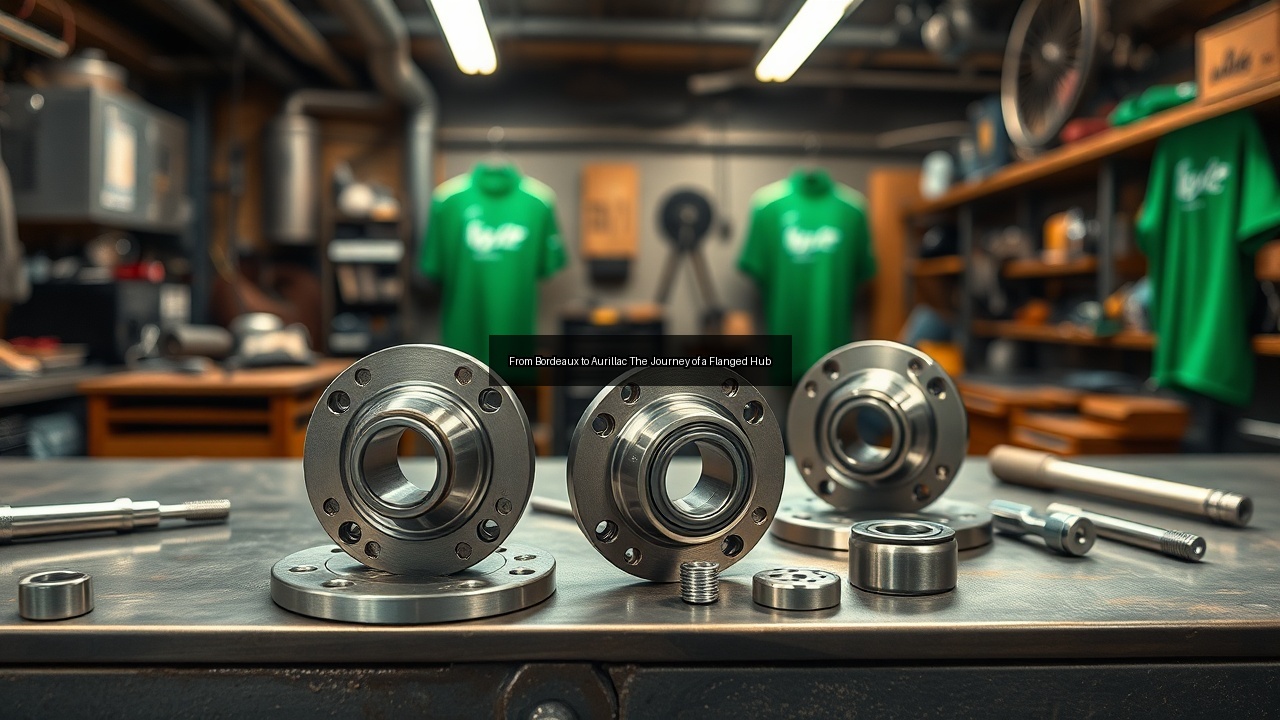
Flanged hubs play a critical role in cycling performance by contributing to the overall stability and efficiency of the wheel. A hub flange is the part of the hub that connects the spokes to the hub body, providing a secure anchor point for the wheel structure. The design and positioning of these flanges directly influence how the wheel behaves under various conditions. Wider flanges create a stiffer wheel, which enhances flange hub power transfer and responsiveness. In competitive cycling, where every ounce of performance matters, the choice of hub flange becomes essential. Cyclists must consider factors such as flange height, spacing, and material to optimize their wheels for speed and maneuverability.
The Importance of Bearings in Cycling
Bearings serve as the unsung heroes of the cycling experience, particularly in flanged hubs. They reduce friction between the moving parts, allowing for smoother rotation of the wheel. Various types of bearings, including ball bearings and sealed bearings, can be found in contemporary flanged hubs. High-quality bearings ensure that energy transfer from the pedals to the wheels is efficient, minimizing energy loss. Regular maintenance of these bearings is crucial, as dirt and moisture can degrade their performance. Cyclists aiming for peak performance must understand how to care for their bearings, ensuring that they consistently deliver optimal results on the road.
How Ball Bearings Affect Wheel Functionality
Ball bearings are integral to the functionality of flanged hubs, providing a crucial link in the wheel's performance chain. The use of flange ball bearings in hub designs allows for precise movement and stability. The arrangement of these bearings within the hub affects how the wheel interacts with the road surface. Properly calibrated ball bearings can significantly enhance the smoothness of a ride, making long distances more manageable. Poor-quality or worn-out bearings can lead to increased resistance and decreased efficiency, which can be detrimental, especially in competitive races. Understanding the significance of ball bearings helps cyclists make informed choices about their equipment, ultimately contributing to better performance.
The Journey from Bordeaux to Aurillac
A Historical Overview of Cycling Routes
The cycling routes from Bordeaux to Aurillac showcase a rich tapestry of history and culture, deeply intertwined with the evolution of cycling itself. These routes, often frequented by enthusiasts and professionals alike, offer stunning landscapes that attract cyclists from all over. Historically, Bordeaux served as a significant hub for cycling events, hosting numerous races and training camps that have shaped many athletes. The journey to Aurillac, known for its picturesque scenery and challenging terrains, provides a perfect blend of leisure and competition. Cyclists navigating this route experience a variety of terrains, from flat stretches ideal for speed to hilly sections that test endurance and skill.
The Significance of Bordeaux in Cycling Culture
Bordeaux's significance in cycling culture extends beyond its geographical location. The city has long been a focal point for cycling enthusiasts, serving as a starting point for many prestigious races. Its vibrant cycling community fosters a passion for the sport, encouraging both amateur and elite cyclists to hone their skills. Local clubs and organizations frequently organize events that promote cycling as a lifestyle, emphasizing the importance of community and camaraderie. Bordeaux’s rich wine region also adds to its charm, creating a unique backdrop for cyclists who wish to combine their love for cycling with gastronomic experiences. This cultural intersection enhances the allure of cycling in the region, making Bordeaux a must-visit for any cycling aficionado.
Exploring Aurillac: A Cycling Destination
Aurillac stands as a premier cycling destination, drawing riders with its breathtaking landscapes and challenging routes. The city's elevation and natural beauty present cyclists with various terrains, from rolling hills to steep climbs. Events throughout the year, including local races and cycling festivals, attract participants and spectators, further solidifying Aurillac's status in the cycling community. The warmth of the local populace and the rich cultural heritage add to the experience, making it a favorite stop for those undertaking the journey from Bordeaux. Cyclists often find themselves captivated by the charm of Aurillac, not only for its biking opportunities but also for its lively atmosphere and supportive cycling culture.
Innovations in Hub Flange Technology
The Evolution of Flange Designs
Flange designs have evolved significantly over the years, reflecting advancements in materials and engineering. Modern flanged hubs feature innovative designs that cater to the diverse needs of cyclists. From traditional symmetrical flanges to asymmetrical designs that improve stiffness and aerodynamics, the choices available today are vast. Manufacturers continuously experiment with flange shapes and orientations to enhance performance. By analyzing the forces acting on the wheel, engineers optimize flange designs to ensure that they provide maximum strength without adding unnecessary weight. This evolution contributes directly to improved ride quality and efficiency, making it essential for cyclists to stay informed about the latest developments in hub flange technology.
Integrating Set Screws and Bushings
The integration of set screws and bushings in hub flange technology represents a significant advancement in ensuring the reliability and performance of the wheel assembly. Set screws secure components in place, preventing unwanted movement during rides, while bushings provide a smooth interface between moving parts. Properly designed bushings reduce friction and wear, enhancing the longevity of the hub. Cyclists benefit from these innovations, as they contribute to better reliability and performance on the road. In a sport where precision and efficiency matter, understanding these components allows cyclists to make informed decisions about their gear.
The Impact of Lightweight Materials on Performance
Lightweight materials have transformed hub flange technology, allowing manufacturers to create flanged hubs that deliver exceptional performance without compromising strength. Advanced materials such as carbon fiber and high-grade aluminum have become popular choices, significantly reducing the weight of hubs. This weight reduction translates to improved acceleration, climbing ability, and overall performance. Cyclists seeking optimal performance must consider these materials when selecting their equipment. The ongoing innovation in lightweight design continues to shape the landscape of cycling, making it essential for enthusiasts to stay updated on the latest trends and advancements in hub flange technology.
Cycling Events and Hub Flange Applications
The Tour de France Femmes: A Case Study
The Tour de France Femmes showcases the crucial role of hub flange technology in competitive cycling. This prestigious event highlights the athletic prowess of female cyclists, who rely on meticulously engineered equipment to excel. The demands of such a grueling race amplify the importance of performance-oriented components, including flanged hubs. Cyclists like Tom Pidcock have made strategic choices about their gear, opting for hubs that maximize efficiency and handling. The attention to detail in equipment selection during events like this underscores how important hub flanges are to achieving peak performance.
Tom Pidcock's Gear Choices
Tom Pidcock, a prominent figure in cycling, exemplifies how gear choices can impact performance. His selection of flanged hubs reflects a deep understanding of the technical requirements of competitive cycling. Pidcock opts for hubs that balance weight and stiffness, optimizing his performance in various conditions. His success illustrates the benefits of investing in high-quality components, particularly those that incorporate advanced flange designs and robust ball bearings. As cyclists strive for excellence, studying the gear choices of top athletes like Pidcock can provide valuable insights into selecting the right equipment for their own performance goals.
The Role of Jerseys and Equipment in Competitive Cycling
The significance of jerseys and equipment in competitive cycling cannot be overstated. In events like the Tour de France Femmes, cyclists wear specialized jerseys that not only provide comfort but also enhance aerodynamics. Coupled with advanced equipment, including flanged hubs, these elements work in harmony to improve performance. The right gear can shave seconds off a cyclist's time, making it vital for competitors to choose wisely. As technology advances, the integration of innovative materials and designs into jerseys and equipment continues to evolve, offering cyclists more ways to enhance their performance on the road.